

Jiangnan Art Tea
Chinese Organic Super Precious Altitude 3400m Wild Tibet Yellow Peony Fresh Dried Flower Detox Tea 8g
Chinese Organic Super Precious Altitude 3400m Wild Tibet Yellow Peony Fresh Dried Flower Detox Tea 8g
Impossible de charger la disponibilité du service de retrait
What is the Tibet Yellow Peony?
The yellow peony (scientific name: *Paeonia delavayi* var. *lutea*), known as the "giant panda" of the plant world, is a rare subshrub in the genus *Paeonia* of the family Ranunculaceae, renowned for its noble, elegant, and bright yellow flowers. Typically rich in fragrance, the flowers display a dazzling luster in the sunlight. Found primarily in high-altitude regions such as southeastern Tibet, it is known as the "gold of the plateau."

The Yellow Peony (*Paeonia ludlowii*) has extremely exacting requirements for its growing environment. It is primarily distributed across the basins of the Yarlung Tsangpo River and its tributaries in southeastern Tibet—spanning areas such as Bayi District in Nyingchi City, Mainling City, Bomi County, and Lhünzê County in Shannan City. Typically found at elevations between 2,900 and 3,400 meters—either at the forest edges at the base of river valley slopes or within hillside shrublands—the plant thrives in sunlight and warm conditions but is intolerant of intense heat and possesses limited drought resistance.

Health benefits
I. Key Nutritional Components (Primarily from Root Bark "Danpi" and Petals)
• Phenolic Compounds: The root bark is rich in paeonol, paeoniflorin, and gallic acid; these are the primary active ingredients responsible for antioxidant, anti-inflammatory, and sedative effects.
• Flavonoids: Petals contain small amounts of flavonoids, which assist in scavenging free radicals and regulating microcirculation.
• Volatile Oils: The root bark contains volatile oils such as benzoic acid and camphor, imparting a distinctive aroma; traditionally, these are used to regulate *Qi* (vital energy).
• Minerals and Vitamins: Contains trace amounts of potassium, calcium, magnesium, and vitamins C and B.
• Dietary Fiber: Tender petals can be used in cold-tossed salads or as an ingredient in herbal teas.
II. Traditional Nutritional Perspectives (Tibetan and Traditional Chinese Medicine)
• Clearing Heat and Cooling the Blood: *Danpi* (peony root bark) is slightly cool in nature; it is used to treat conditions associated with "blood heat" (such as skin eruptions/rashes), sore throats, and summer-heat-induced thirst (aligning with folk practices of clearing heat and dispelling summer heat).
• Invigorating Blood and Dissipating Stasis: Promotes local blood circulation; helps alleviate abdominal pain due to amenorrhea and swelling from traumatic injuries.
• Calming the Mind: Paeonol has mild sedative properties, while peony flower tea helps soothe emotions.
• Low-Calorie and Fat-Free: Infusions made from dried petals or root bark contain virtually no calories, making them a suitable tea substitute for those managing their weight.

How do we brew it?
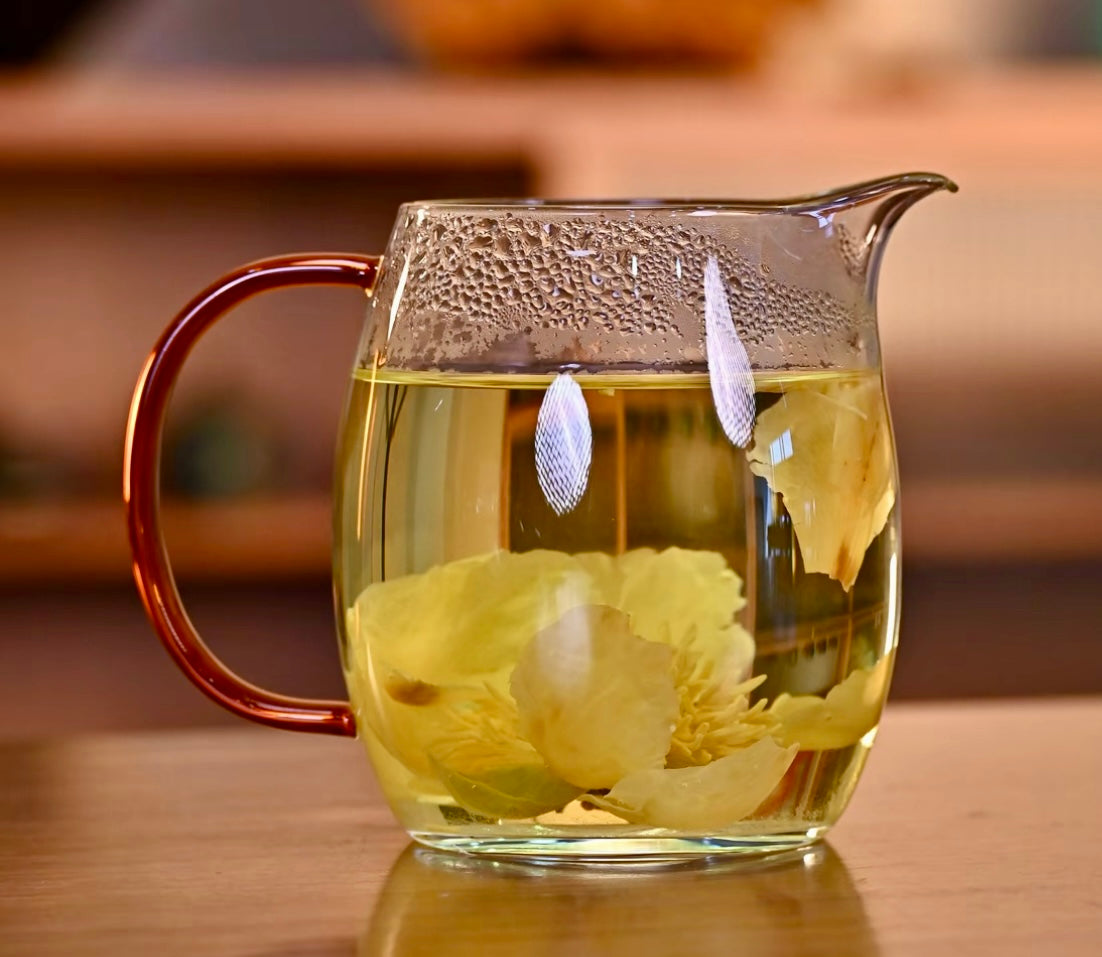
Place one piece of dried flower into a cup or teapot. Add water at any temperature below the boiling point and steep for 3–5 minutes.

Weight: 8g( 8 pieces)
Tea soup: pale yellow to light gold; clear and bright.
Aroma: Up close, it offers a delicate, herbaceous floral scent with a hint of the subtle, woody-floral note characteristic of yellow peony; it is neither cloying nor heavy, reminiscent of sun-dried flowers with a touch of powdery softness.
Taste Profile: The initial sip is pleasantly rich on the palate, quickly giving way to a clean, lingering sweetness; the flavor of the stamens is slightly more pronounced than that of the petals. By the later infusions, allowing sweet and pollen-like floral notes to emerge, leaving a fresh fragrance in the throat.

P.S Please provide your phone number when placing an order. This is very important when shipping the package. I appreciate any help you can provide.